
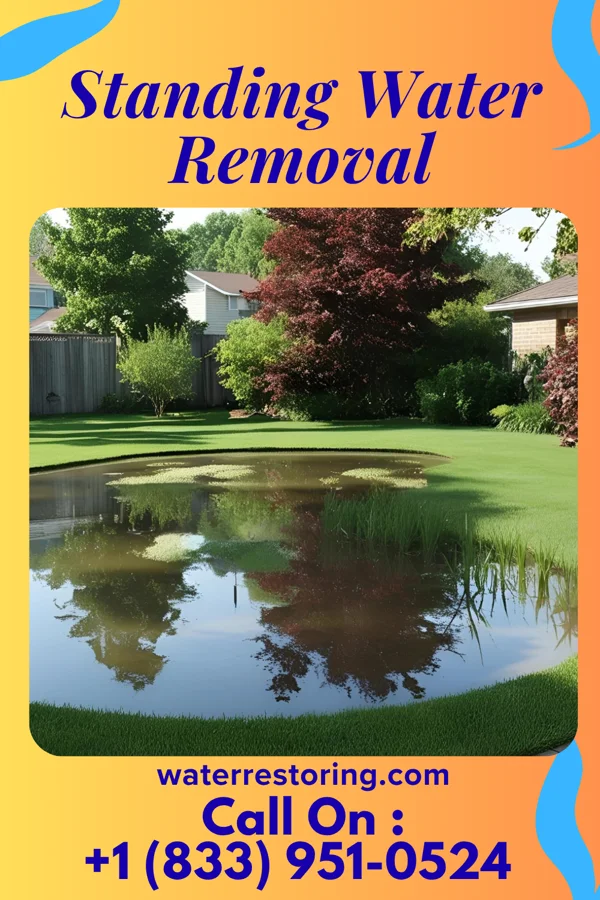
Common Standing Water Causes in Crescent Beach
Most standing water removal calls in Crescent Beach come from Crescent Beach, Florida is prone to water damage from storm surges and high tides due to its coastal location, which can lead to flooding in homes and businesses. Additionally, heavy rainfall during hurricane season often results in standing water in low-lying areas, particularly near Butler Beach and St. Augustine Shores.. A close second is Secondary causes include plumbing leaks from aging infrastructure, especially in older properties near Marineland, and groundwater seepage in coastal soils. Poor drainage systems in rural areas of Saint Johns County also contribute to localized water accumulation.. If you know what is about to happen, the decisions during the first 48 hours get a lot easier.
Crescent Beach experiences a subtropical climate with high humidity and frequent tropical storms, increasing the risk of water damage. The area is also vulnerable to sea-level rise and saltwater intrusion, which can compromise building foundations and indoor air quality.
Most standing water removal calls in Crescent Beach come from Crescent Beach, Florida is prone to water damage from storm surges and high tides due to its coastal location, which can lead to flooding in homes and businesses. Additionally, heavy rainfall during hurricane season often results in standing water in low-lying areas, particularly near Butler Beach and St. Augustine Shores.. Running a close second is Secondary causes include plumbing leaks from aging infrastructure, especially in older properties near Marineland, and groundwater seepage in coastal soils. Poor drainage systems in rural areas of Saint Johns County also contribute to localized water accumulation.. Local mold risk: Mold growth can develop rapidly in Crescent Beach due to high humidity and frequent moisture exposure, especially in coastal homes. Prompt action is critical to prevent health risks and structural damage in areas like St. Augustine Shores and Butler Beach.